The problem before the solution.
Context, users, constraints and expected value.

 Julien · OcéanWho works on this step
Websites that turn interest into action. SaaS and internal tools that pull their weight. We bring design, code and a healthy dislike of wasted time.
We ask the difficult questions. Then build a useful answer.
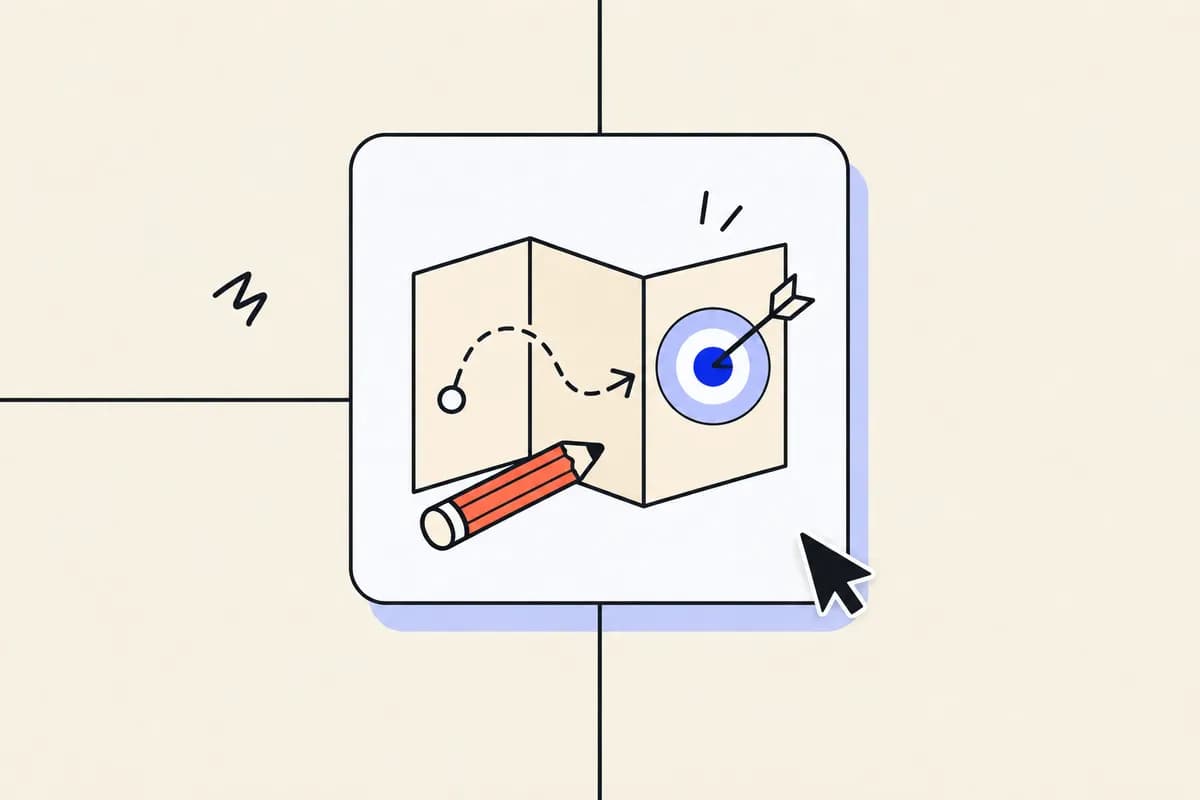
Not a checklist of services. The skills we bring to a project, and what each one actually changes.
Discuss my project ↗The right questions before the pretty mock-ups. We separate useful work from expensive distractions.
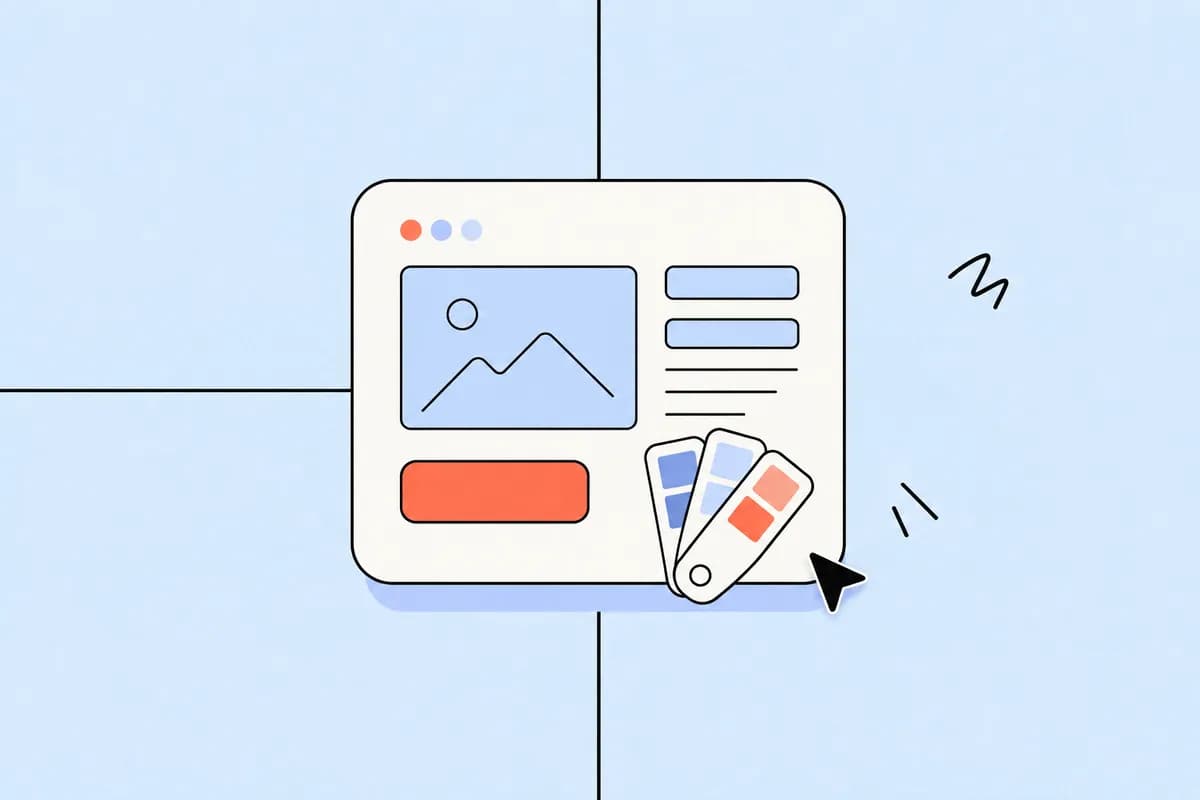
Your website is not an overpriced business card. Give people a reason to care, trust you and take action.
Get your idea out of the someday folder. Real software, tested with you and built to last.
ERP, CRM and dashboards that fit your business instead of the other way around.
Connect what exists and remove the tasks people are still compensating for.
A beautiful invisible website is decoration. Search, journeys and measurement help people find and choose you.
Behind each one, a different project. We start from what needs solving, never from a technology.
We’ve had the idea for two years. We never found the time to ship it.
From the first prototype to launch.
Websites · Apps · SaaS · Interfaces↗02AdaptEveryone works around our software with a spreadsheet.
We build the opposite: the tool fits the work.
Internal tools · ERP · CRM · Dashboards↗03ConnectWe have three tools that don’t talk. Someone retypes everything.
We remove the retyping.
Automation · Integrations · Agents↗Each step removes an uncertainty. You see what is being built, understand the trade-offs and keep control of priorities.
Context, users, constraints and expected value.
Julien · OcéanWho works on this stepJourneys, features, risks and technical choices.
 Julien · OphelyWho works on this step
Design and development move together, in short cycles.

 Mahé Da Sylva · Sacha ZWho works on this step
We measure, improve and extend when it makes sense.
Ophely · OcéanWho works on this stepWe work better with some companies than others. Here is which, so nobody wastes their time.
Recognise yourself in the left-hand column?
Discuss my project ↗What changes is never the technology — it is what has to be understood before building.
Products that hold up under load and explain themselves without a demo.
Engagements, team capacity and trade-offs in one place.
Field tools that work offline and with gloves on.
Sober, traceable interfaces that leave no room for doubt.
Journeys tracked end to end, for learners and staff alike.
Portals where a file moves forward without a phone chase.
Stock, orders and outlets that finally talk to each other.
Tools that hold up on a small budget and many volunteers.
Yours is not listed? That is often true of the interesting ones.
Four representative concept cases. No fake clients, no invented results.
One place to monitor engagements, workload, approvals and the next decisions that matter.
Plan, document and approve an intervention from a phone, even when the connection is unreliable.
Connect CRM, proposals, billing and project management so information moves at the right time.
A shared space for companies, participants and the administrative team.
Three original product concepts. A glimpse of our design language, not a portfolio of invented clients.
You work directly with the people who understand, design and build your product.

Technical architecture, system development, automation and long-term product reliability.
TECH · INFRA · BACK-END
Infrastructure, databases, back-end systems, automation and AI solution integration.
TECH · INFRA · BACK-ENDHe defines the visual direction, structures the experience and turns business challenges into clear, coherent interfaces.
DESIGN · UX · DIRECTION ARTISTIQUE
Development, databases, automation and implementation of artificial-intelligence components.
TECH · AUTOMATISATION · IAHe bridges visibility and understanding through a solid SEO strategy and clear messaging that naturally guides users.
SEO · COPYWRITING · MESSAGINGFew intermediaries, clear answers and the real issues on the table.
So rather than rebuilding them for every client, we turn them into products. Relay, Scope and Trace are still being explored.
Answered here so the first call can be about your project instead.
At the start. We agree on the goal, scope, deliverables and options before quoting. No magic price, and no surprise features quietly added to the bill.
It depends entirely on scope, and nobody can answer honestly before framing it. That is exactly what the first conversation is for: we look at what needs building, then give you a range we are willing to hold to.
No. A well-described business problem beats a feature list written too early. If you already have a specification we will read it — and tell you plainly what looks questionable in it.
The ones that serve the project, not the ones we find entertaining. Technical choices are made at the framing stage, once we know what has to last and who will maintain it after us.
The product is yours, source code included. We can keep evolving it with you, or hand it to your team with the documentation that goes with it. Both are normal endings, not failures.
We say so. It is written into our starting flow and it is not a figure of speech: pointing someone to another firm, or to an off-the-shelf tool that already does the job, costs us less than a badly started project.
Yes. The team works remotely from France, and nothing in how we operate requires being in the same room — reviews happen over video, and deliverables are visible online at every step.
A very precise idea, or just something that has been annoying you for six months. We can start there.